
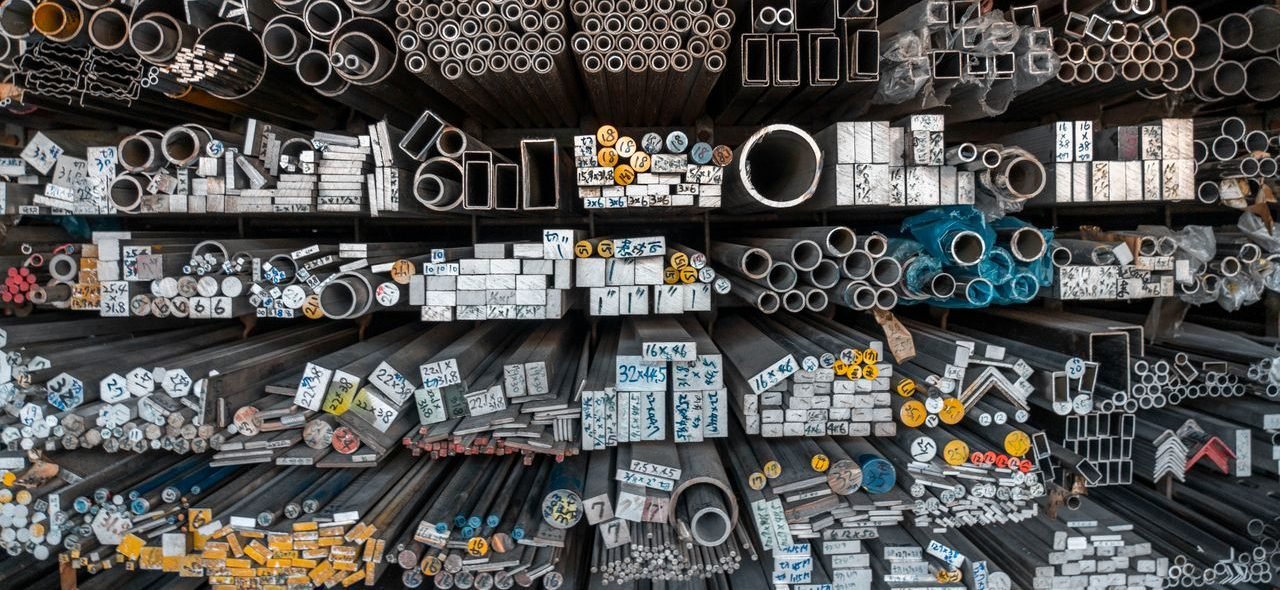
Metal Grades Explained: The Ultimate Beginner’s Guide
Metal Grades Explained : If you’ve ever purchased metal products, you’ve probably seen terms like 304 Stainless Steel, 316 Stainless Steel, C110 Copper, or 6061 Aluminum. These numbers are known as metal grades, and they play a crucial role in determining a material’s quality, strength, durability, and intended use.
In this beginner-friendly guide, you’ll learn what metal grades are, why they matter, and how to choose the right grade for your project.
What Are Metal Grades?
A metal grade is a standardized classification that identifies the chemical composition, mechanical properties, and performance characteristics of a metal.
Instead of simply calling a material “steel” or “copper,” manufacturers use grades to specify its exact properties and recommended applications.
Metal grades help ensure consistency, quality, and reliability across different industries worldwide.
Why Are Metal Grades Important?
Choosing the correct metal grade is just as important as choosing the right type of metal.
The right grade can improve:
- Strength
- Durability
- Corrosion resistance
- Heat resistance
- Wear resistance
- Electrical conductivity
- Product lifespan
Using the wrong grade may lead to poor performance, increased maintenance costs, or premature failure.
How Metal Grades Are Determined
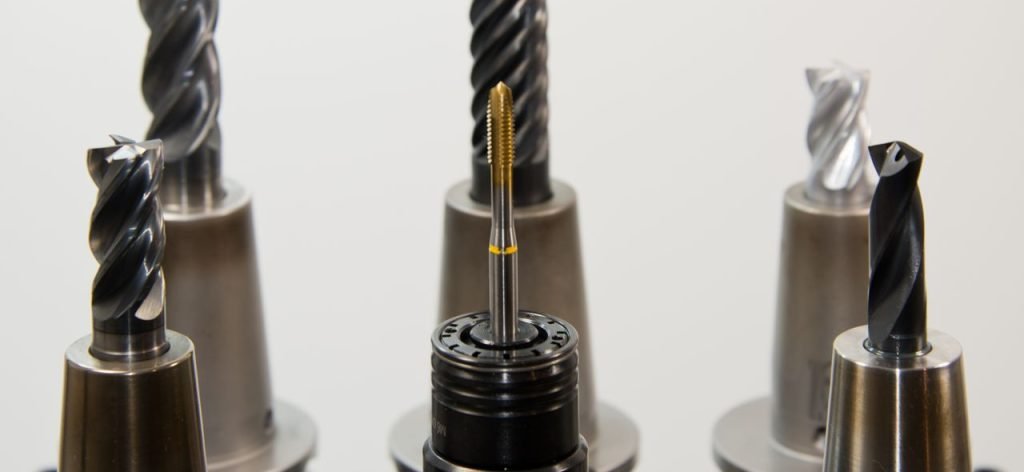
Metal grades are assigned based on several factors, including:
- Chemical composition
- Mechanical strength
- Hardness
- Corrosion resistance
- Heat resistance
- Manufacturing standards
- Industrial testing
Each grade is developed to meet specific engineering and manufacturing requirements.
Common Metal Grades
Copper Grades
Copper is available in different grades depending on purity and application.
C110 Copper
C110 is one of the most widely used commercial copper grades. It offers excellent electrical conductivity and is commonly used for electrical components, busbars, wiring, and industrial equipment.
C101 Copper
C101 copper provides extremely high purity and outstanding conductivity. It is often used in high-performance electrical and electronic applications.
Stainless Steel Grades
Stainless steel grades differ mainly in corrosion resistance and intended use.
304 Stainless Steel
304 stainless steel is the most common grade used worldwide. It provides excellent corrosion resistance and is suitable for kitchens, food processing, architecture, and general industrial applications.
316 Stainless Steel
316 stainless steel contains molybdenum, giving it greater resistance to corrosion, especially in marine and chemical environments.
Aluminum Grades
Different aluminum grades are designed for different manufacturing needs.
6061 Aluminum
6061 is known for its strength, corrosion resistance, and excellent machinability. It is widely used in construction, machinery, transportation, and structural applications.
5052 Aluminum
5052 offers excellent corrosion resistance and is commonly used for marine equipment, tanks, sheet metal fabrication, and industrial products.
Brass Grades
Brass grades vary depending on the amount of copper and zinc they contain.
Different grades are selected based on strength, machinability, corrosion resistance, and decorative appearance.
Factors To Consider When Choosing A Metal Grade
Before selecting a metal grade, consider the following:
Application
Different industries require different grades depending on performance requirements.
Strength
Choose a grade that can safely support the expected load.
Corrosion Resistance
Outdoor, marine, and chemical environments require grades with superior corrosion resistance.
Temperature
Some grades perform better under extremely high or low temperatures.
Machinability
If the material needs cutting, drilling, or welding, choose a grade suitable for fabrication.
Budget
Higher-grade materials often cost more, but they may offer better long-term value and lower maintenance costs.
Common Mistakes When Choosing Metal Grades
Avoid these common mistakes:
- Selecting a metal based only on price
- Ignoring the recommended application
- Choosing the wrong grade for outdoor use
- Overlooking corrosion resistance
- Buying from suppliers who cannot verify material specifications
Understanding metal grades helps you avoid costly purchasing mistakes.
Frequently Asked Questions
What is a metal grade?
A metal grade is a standardized classification that identifies a metal’s composition, properties, and intended applications.
Why do metal grades matter?
Metal grades determine important characteristics such as strength, corrosion resistance, durability, conductivity, and overall performance.
Which stainless steel grade is better?
It depends on the application. Grade 304 is suitable for general use, while Grade 316 is preferred for marine and highly corrosive environments.
Does a higher metal grade always mean better quality?
Not necessarily. The best grade is the one that matches your specific application and performance requirements.
Can two metals look the same but have different grades?
Yes. Two products may appear identical while having completely different compositions and performance characteristics.
Conclusion
Understanding metal grades is essential when purchasing metal products for industrial, commercial, or personal projects. The correct grade ensures better performance, longer service life, improved safety, and greater value for your investment.
Whether you’re buying copper, aluminum, brass, or stainless steel, always verify the material grade before making a purchase.
At The Metal Times Store, we supply high-quality metal products with reliable specifications to help businesses, industries, and professionals choose the right materials for every application.




Add comment