
How To Choose The Right Metal Product: A Complete Buying Guide
Choosing the right metal product is one of the most important decisions for any construction, manufacturing, engineering, or industrial project. The wrong choice can lead to higher costs, poor performance, unnecessary maintenance, and a shorter product lifespan.
This guide explains how to choose the right metal product by covering the key factors every buyer should consider before making a purchase.
Why Choosing The Right Metal Product Matters
Every metal has unique characteristics. Some are designed for strength, while others offer excellent corrosion resistance, lightweight performance, or superior electrical conductivity.
Selecting the right metal product helps you:
- Improve project performance
- Increase durability
- Reduce maintenance costs
- Minimize material waste
- Get better long-term value
Understanding your requirements before buying ensures you invest in the most suitable material.
1. Identify Your Project Requirements
Before purchasing any metal product, clearly define how it will be used.
Ask yourself:
- Will the product be used indoors or outdoors?
- Will it be exposed to water, chemicals, or moisture?
- Does it need to support heavy loads?
- Is corrosion resistance important?
- Does the application require excellent electrical or thermal conductivity?
Knowing the answers will help you choose the right material for your project.
2. Choose The Right Type Of Metal
Different metals are suitable for different applications.
Copper
Copper is known for its outstanding electrical and thermal conductivity. It is commonly used in electrical systems, transformers, wiring, busbars, plumbing, and industrial equipment.
Aluminum
Aluminum is lightweight, corrosion-resistant, and easy to fabricate. It is widely used in transportation, construction, machinery, and architectural applications.
Brass
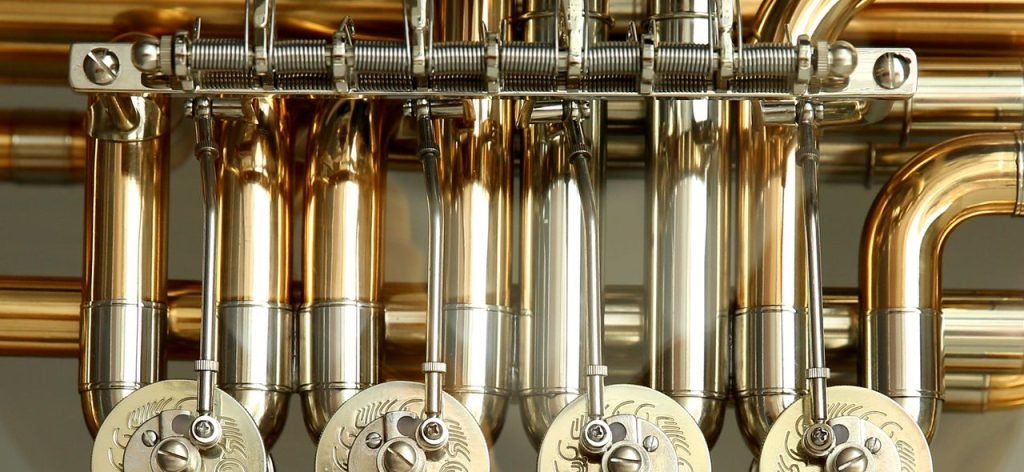
Brass offers excellent machinability, corrosion resistance, and an attractive finish. It is commonly used for fittings, valves, decorative components, and precision engineering.
Stainless Steel
Stainless steel provides exceptional strength and corrosion resistance. It is ideal for food processing, medical equipment, construction, marine environments, and industrial machinery.
3. Check The Material Grade
Material grade is one of the most important factors when choosing a metal product.
The grade determines:
- Strength
- Hardness
- Corrosion resistance
- Chemical composition
- Suitable applications
Always verify the material grade to ensure it meets your project’s technical requirements.
4. Select The Correct Size And Dimensions
Even the highest-quality metal product will not perform properly if the dimensions are incorrect.
Check the required:
- Length
- Width
- Thickness
- Diameter
- Weight
Choosing accurate dimensions reduces waste, improves efficiency, and helps control project costs.
5. Evaluate Product Quality
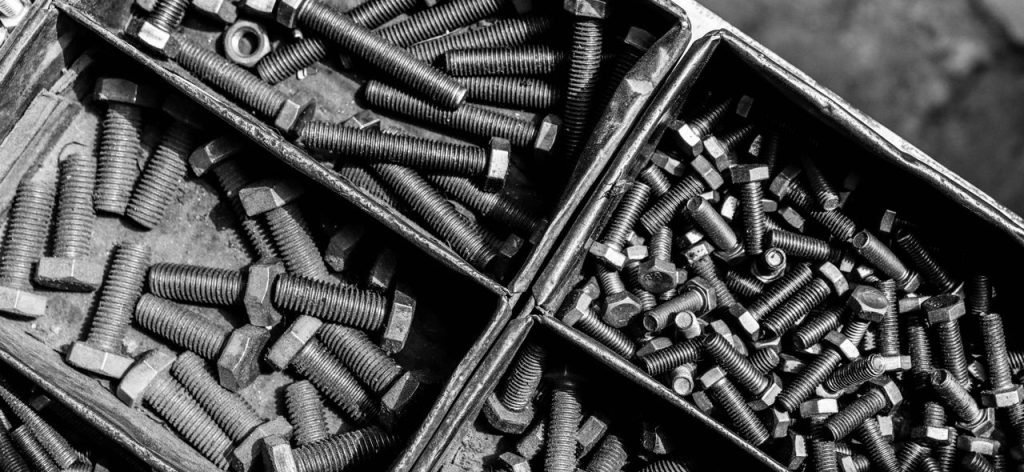
High-quality metal products generally feature:
- Consistent material composition
- Accurate dimensions
- Smooth surface finish
- Reliable manufacturing standards
- Long service life
Premium-quality materials usually deliver better performance and lower maintenance over time.
6. Compare Price With Overall Value
Price should never be the only factor when buying metal products.
Instead, compare:
- Product quality
- Material grade
- Durability
- Supplier reputation
- Warranty or product support
A slightly higher-quality product often provides greater long-term value than a cheaper alternative.
7. Buy From A Trusted Metal Supplier
Choosing a reliable supplier is just as important as selecting the right metal.
A trusted supplier should provide:
- Genuine metal products
- Transparent product specifications
- Competitive pricing
- Professional customer support
- Reliable nationwide delivery
Working with an experienced supplier reduces the risk of receiving low-quality or unsuitable materials.
Common Mistakes To Avoid
Many buyers make mistakes that increase costs and reduce performance.
Avoid these common errors:
- Buying the wrong type of metal
- Ignoring material grades
- Choosing incorrect dimensions
- Focusing only on the lowest price
- Purchasing from unverified suppliers
Taking time to evaluate these factors can save money and improve the success of your project.
Frequently Asked Questions
How do I choose the right metal product?
Start by understanding your application, selecting the appropriate metal type, checking the material grade, verifying the dimensions, evaluating quality, and buying from a trusted supplier.
Which metal is best for electrical applications?
Copper is widely used because of its excellent electrical conductivity.
Which metal is best for outdoor applications?
Stainless steel and aluminum are popular choices because they provide excellent corrosion resistance.
Why are metal grades important?
Metal grades determine the material’s strength, durability, corrosion resistance, and recommended applications.
Is the cheapest metal product always the best option?
No. The best choice is the product that offers the right balance of quality, performance, durability, and value.
Conclusion
Knowing how to choose the right metal product helps you make smarter purchasing decisions and ensures better results for your project. By understanding your application, selecting the correct metal type, checking the material grade, verifying the dimensions, and purchasing from a trusted supplier, you can improve performance while reducing long-term costs.
At The Metal Times Store, we supply high-quality metal products for businesses, industries, manufacturers, and professionals across Pakistan. Explore our product range to find reliable materials that meet your project requirements.




Add comment